
Wet Wipes From Invention To Everyday Essential: Full History of Wet Wipes
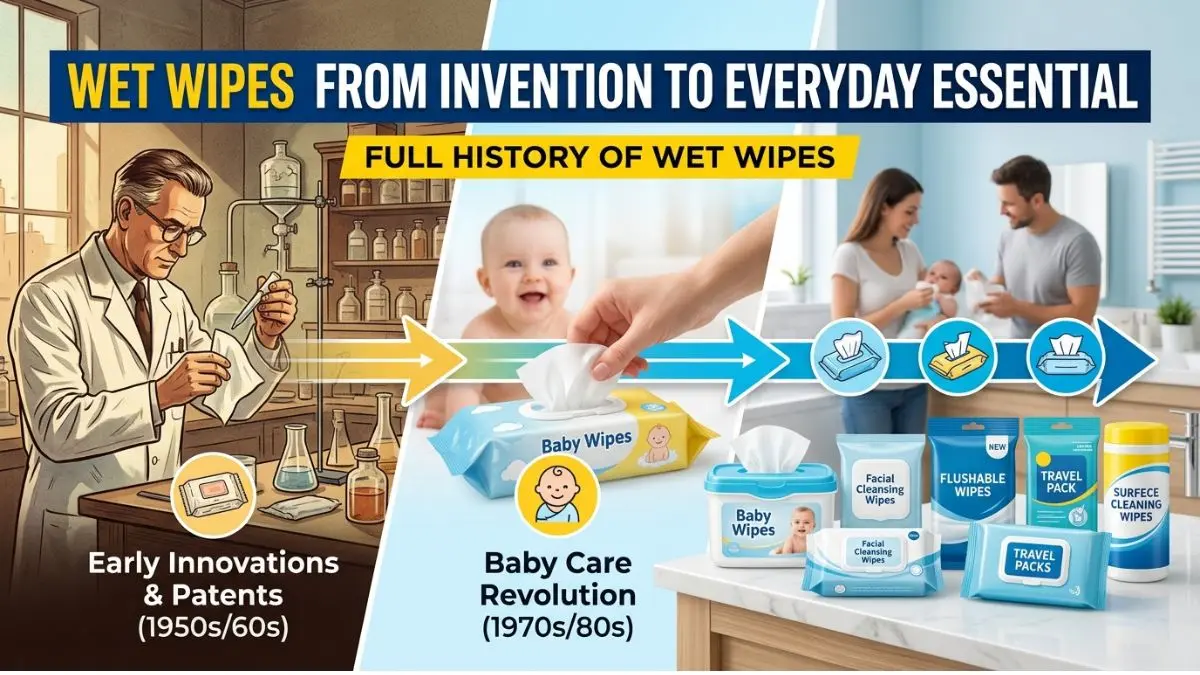
Who Invented Wet Wipes? The credit for making wet wipes goes to an American man named Arthur Julius. In 1957, Arthur Julius created the first wet wipes.
We use wet wipes everywhere—whether it’s cleaning our hands after eating food, changing baby diapers, removing makeup, or sanitizing gym equipment. Wet wipes have become such an integral part of our lives that it’s hard to imagine a time when people survived on just soap and water.
But where did these wet wipes come from? Who would have thought that a small moist cloth in a foil packet would become the future of cleaning? Wet wipes have a history stretching from America’s industrial boom to NASA’s space missions.
Who Invented Wet Wipes? Arthur Julius And The Birth of an Innovation
Wet wipes were invented by Arthur Julius, an American inventor who worked in the cosmetics industry. He wanted to make skin cleaning easier, more practical, and more convenient for people.
In 1957, Arthur Julius worked from his apartment in Manhattan, New York. He created the first disposable wet wipe by soaking woven fabric in a cleaning liquid mixed with water. To improve his idea, he worked with a mechanic who helped him adjust a soap-dispensing machine so the wipes could be produced more efficiently.
In 1958, Julius officially registered his product under the name “Wet-Nap.” This name is still used today. It also became the starting point of a whole new category of cleaning products. His invention marked the commercial beginning of wet wipes, which later became a widely used everyday product around the world.
Must Read: Who Invented the Toothbrush? The Prison Invention that Cleaned up the World!
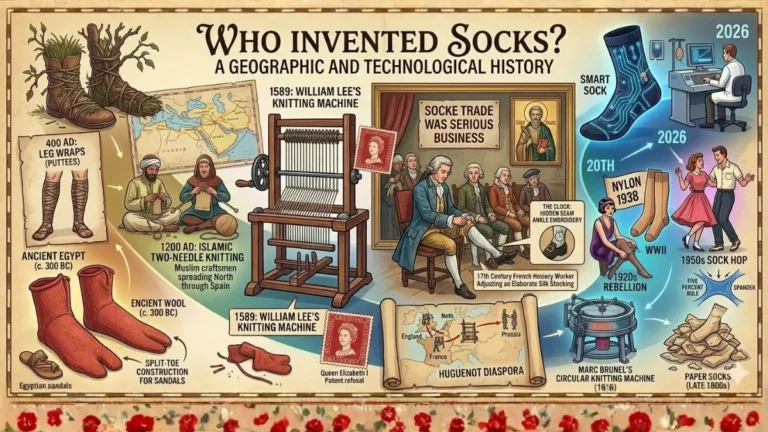
Must Read: Who Invented Socks? The Complete History of Socks From 3300 BC to 2026
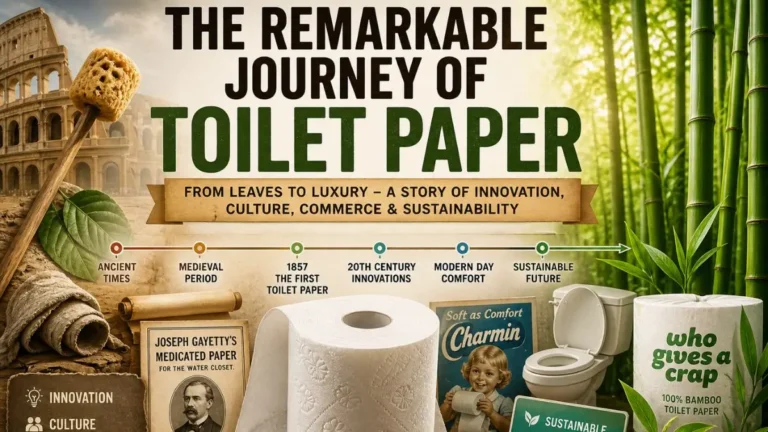
Must Read: Strange Story History of Toilet Paper that Will Surprise You!
The Early Commercial Success: 1960 and Beyond
Arthur Julius introduced his invention to the public at the National Restaurant Show in Chicago in 1960. His timing was excellent because the United States was going through a period of strong economic growth, and more people were eating at restaurants than ever before. Restaurants wanted a fast and hygienic way for customers to clean their hands before and after meals, and Wet-Naps provided the perfect solution.
The biggest breakthrough happened in 1963 when Julius started supplying Wet-Nap products to Colonel Harland Sanders for use in the Kentucky Fried Chicken (KFC) restaurant chain. Colonel Sanders quickly understood how useful the product would be because customers eating fried chicken often ended up with greasy hands and needed an easy cleaning solution. Wet-Naps became very popular with KFC customers, and soon many other restaurants around the world began using them as well.
Because of this success, wet wipes slowly became a common everyday product. Over time, they turned into one of the most widely used hygiene and cleaning products in homes, restaurants, and public places.
The Expansion of the Industry
As wet wipes became more popular, large companies quickly saw the business opportunity. Major corporations such as Kimberly-Clark and Procter & Gamble were among the first to enter the growing market. However, the machines and equipment needed to make wet wipes were very expensive, so only big companies could afford to produce them in the beginning.
One of the most important early manufacturers was Nice-Pak. The company helped improve wet wipe technology by creating paper cloth wipes filled with scented skin-cleaning solutions. Nice-Pak later developed and patented flexible packaging with resealable labels, which helped keep wipes fresh and moist for longer periods.
Another major innovator was Rockline Industries from Sheboygan, Wisconsin. The company played an important role in making wet wipes more easy and convenient to use. Rockline Industries introduced refill packs and the pop-up dispensing system, where wipes come out one at a time from the package. Today, these features are common in most wet wipe products around the world.
These improvements made wet wipes more practical and affordable for everyday consumers. As a result, the industry grew rapidly, and wet wipes became a common household product used for cleaning, hygiene, and personal care.
Technology Evolution: From Paper to Advanced Fabrics
Early wet wipes were made from simple paper. However, paper had many problems. It tore easily when it got wet and was not strong enough for proper cleaning. Because of this, manufacturers started looking for better materials.
A major change came with the introduction of non-woven fabrics. In the 1960s and 1970s, companies began using synthetic fibers like polyester and polypropylene instead of paper. These new materials were much stronger, held moisture better, and did not break apart easily. This made wet wipes more effective and reliable.
A big breakthrough came with a technology called “spunlace.” In this process, high-pressure water jets and mechanical force are used to bond fibers together. This created wipes that were both strong and very soft. Because of this softness, wet wipes became safe to use on sensitive skin, including babies, without causing irritation.
By the late 1970s, improvements in manufacturing made non-woven wipes cheaper to produce. By 1983, store-brand baby wipes started appearing in markets. As production became even more affordable, smaller companies also entered the industry.
By the 1990s, large supermarket chains like Kmart and Walmart launched their own private-label wet wipes. This made wipes cheaper and more widely available to customers. Because of their low prices, store brands became very popular and started competing strongly with well-known brands around the world.
The Shift to Baby Care: How Travel Needs Created a Market
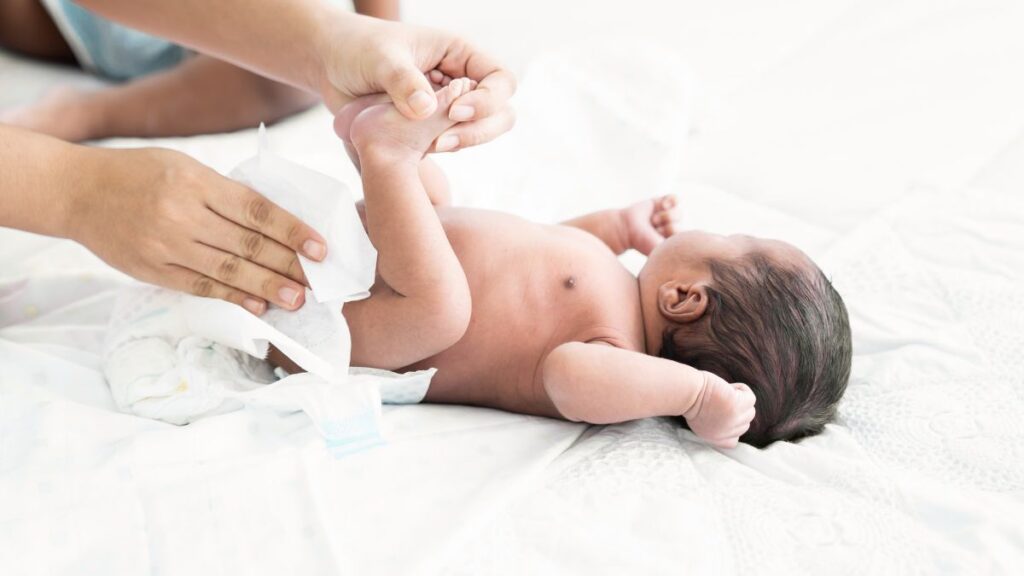
Although wet wipes were first made for restaurant use, their purpose slowly changed over time. As more people started traveling frequently, especially families with babies, the demand for easy cleaning solutions increased. During travel, parents needed a quick way to clean babies without relying on hotels or proper washing facilities. Wet wipes solved this problem perfectly because they were portable, simple, and convenient.
Big companies like Kimberly-Clark and Procter & Gamble quickly recognized this growing demand. They invested in expensive machines and production systems needed to manufacture wet wipes on a large scale.
Early baby-focused products were developed by innovators such as Nice-Pak, which produced soft paper cloths soaked in gentle, scented cleaning solutions. These early wipes helped shape the idea of baby wipes in the mid-1950s, especially as travel became more common and people needed hygiene products on the go.
Over time, wet wipes shifted from being a general travel hygiene product for adults to becoming mainly used for baby care and diaper changing. What once helped travelers stay clean on the road became an essential part of everyday parenting.
A major milestone came in 1977 when leading baby care brands such as Pampers and Huggies launched dedicated baby wipes for the mass market. These wipes came in plastic pop-up containers that made them easy to use and helped keep them moist and fresh.
By 1990, baby wipes were fully developed and widely available, with companies like Kimberly-Clark and Procter & Gamble offering improved versions designed to be gentle on sensitive baby skin. They were sold in different pack sizes with better dispensing systems.
Today, baby wipes are one of the most popular types of wet wipes in the world. They make up a large share of the market, even though wet wipes are also widely used for cleaning, hygiene, and personal care in many other areas.
Wet Wipes Reach Space: An Unexpected Application
One of the most surprising uses of wet wipes happened in space. During the NASA Apollo missions, astronauts faced serious hygiene problems in zero gravity. They could not use normal water and soap like people do on Earth. Washing in space was very difficult and impractical.
To solve this problem, NASA engineers created special wet wipes designed for astronauts. These wipes allowed them to clean their bodies safely and easily while living in space for long periods. The wipes helped maintain hygiene and also improved comfort during missions orbiting Earth.
This use showed how useful wet wipes can be in extreme conditions. From restaurants and baby care to space exploration, wet wipes proved that a simple invention can be helpful in almost every environment, even beyond our planet.
What Are Wet Wipes: Composition and Production
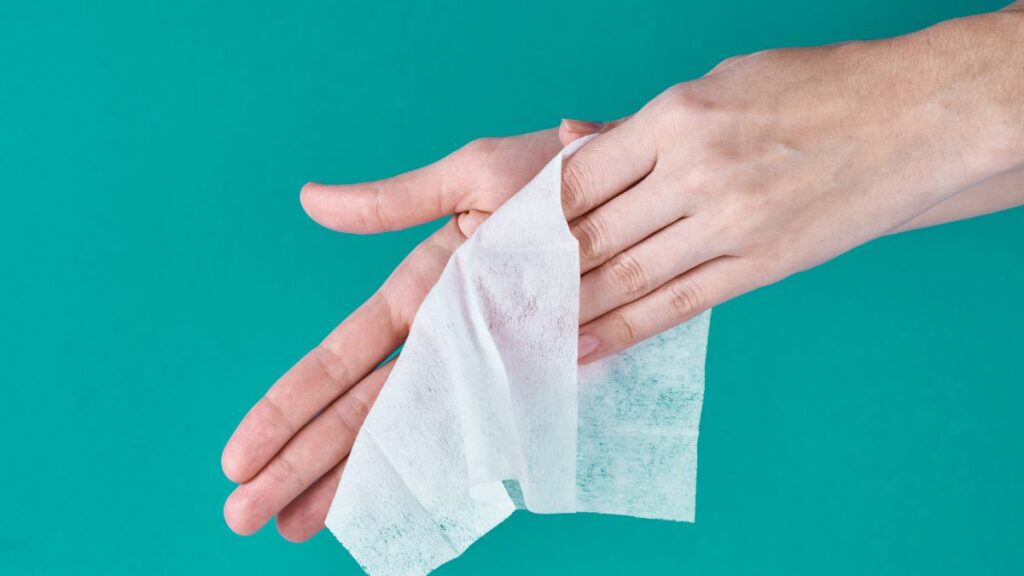
Wet wipes, also called wet towels, moist towelettes, disinfecting wipes, or baby wipes, are small or medium-sized pieces of soft fabric. These fabrics are already soaked in a liquid solution. Manufacturers usually fold them and pack them in small packets or dispensers so people can easily pull and use them one by one. They are mainly used for cleaning, wiping, or disinfecting.
Most wet wipes—around 90% in the market—are made from non-woven fabrics. These fabrics usually contain materials like polyester or polypropylene. These are chosen because they are strong, soft, and can hold liquid well without breaking. Some companies also use bamboo, rayon, or other plant-based or plastic materials depending on the product type and environmental goals. The material choice directly affects how strong, soft, and eco-friendly the wipes are.
After the fabric is made, it is soaked in a special liquid solution. This liquid changes based on the purpose of the wipes. Some wipes use mild cleaning agents like isopropyl alcohol, while others use gentle formulas for sensitive skin or stronger chemicals for industrial cleaning. Different brands design their own formulas depending on how the wipes will be used.
To improve quality, manufacturers often add extra ingredients like moisturizers, softeners, fragrances, or lotions. These make the wipes feel better on the skin and sometimes give them a pleasant smell. Preservatives are also added to stop bacteria or fungus from growing inside the packaging. Usually, about 80% of a wet wipe’s total weight is liquid, and most of that liquid is water.
Some premium products, such as certain specialized wipes, are made without harsh chemical additives. These are designed to be gentle, non-irritating, and sometimes claim very high levels of sterilization, making them suitable for sensitive users.
Finally, the wet wipes are packed in different types of containers. Some come in small travel packs, others in box-style dispensers for home use, and some are made in large rolls with tear-off sheets for easy dispensing.
The biggest advantage of wet wipes is convenience. They save time because people do not need separate cleaning cloths or liquid bottles. Instead, a single wipe can clean quickly and easily. That is why wet wipes are now used everywhere—from homes, hospitals, travel, and personal care.
The Many Uses of Wet Wipes: Beyond Baby Care
Although baby wipes are still one of the most common uses, wet wipes have developed into a multi-purpose product. Today, they are used in many different areas, not just for babies. In fact, other uses besides baby care now make up about 50% of total sales in the wipes market. This shows how much the product has expanded from its original purpose.
Wet wipes are now used in homes, hospitals, restaurants, travel, offices, and industrial settings. They help with cleaning surfaces, removing dirt, disinfecting hands, and maintaining hygiene in daily life. Because they are easy to carry and quick to use, people rely on them in many situations where soap and water are not available.
The global wet wipes industry has also become very large. It is now worth more than twenty billion dollars every year. This rapid growth shows how widely wet wipes are used around the world and how important they have become in modern daily life.
From baby care to cleaning, hygiene, and professional use, wet wipes have turned into a simple but powerful product that supports convenience and cleanliness in many industries.
Personal Care Wipes
Baby wipes are the most common type of personal care wipes. People use them to clean the sensitive skin of infants. These wipes contain cleaning solutions that can be very mild or sometimes alcohol-based, depending on the brand and purpose. They are usually packed in sealed containers to keep them moist and easy to use. Packs come in different sizes, from small travel packs to larger packs with more than 80 wipes. Most packs also have special lids or dispensers to prevent drying out.
Baby wipes are made in different formulas for different needs. Some are scented for a pleasant smell, while others are unscented for babies with sensitive skin. There are also fragrance-free versions and extra-gentle wipes designed for very delicate skin. Each brand uses its own formula, so parents can choose what works best for their child.
Baby wipes are not only used for diaper changes. Parents also use them to clean baby hands, faces, toys, and even small messes like spit-ups or vomit. Some families prefer reusable cloth wipes made from cotton, bamboo, or fleece. These can be washed and reused, making them an eco-friendly option. Many parents also like them because they can control exactly what ingredients touch their baby’s skin.
To support eco-friendly choices, some brands now offer biodegradable or natural wipes. These often use plant-based materials like bamboo and include gentle ingredients such as water, aloe, and coconut oil. These products are designed for parents who want safer and more sustainable options.
Wet wipes are also widely used for personal hygiene beyond baby care. They are used for makeup removal, facial cleansing, feminine hygiene, hand cleaning, and body refreshment. They are especially useful during travel, outdoor activities, or hot weather when washing facilities are not available. Some wipes are strong enough to remove waterproof makeup or heavy dirt.
Pet care wipes are another growing category. These wipes are designed for cleaning pets’ eyes, ears, teeth, and fur, making pet hygiene easier for owners.
Household and Domestic Cleaning Wipes
Wet wipes are also widely used for home cleaning. Different types are made for different tasks. Kitchen wipes clean countertops and appliances. Toilet wipes are used as an alternative to toilet paper in some places. Glass cleaning wipes are made to avoid streaks, while car wipes help clean both the inside and outside of vehicles. Restaurants and food businesses also use special food-safe wipes for hygiene.
Toilet wipes became more popular as a premium hygiene product around 2005 when companies like Kimberly-Clark and Procter & Gamble promoted them as a more comfortable alternative to toilet paper. Today, they are used in many public places such as restaurants, hospitals, and service stations.
In some regions, like Southeast Asia, wet wipes are even sold chilled in refrigerators to give a cooling and refreshing feeling during use. This shows how products adapt to local preferences.
Wet wipes are also very popular for travel and outdoor use. People use them during camping, hiking, and music festivals when showers are not available or are too crowded. They help maintain basic hygiene in difficult conditions.
They are also commonly included in airline meals and restaurant cutlery packs so people can clean their hands before eating.
Cleansing and Medical Applications
Wet wipes are also used in skincare and medical care. Cosmetic cleansing pads help remove makeup and treat skin issues like acne. Some contain ingredients such as salicylic acid, vitamins, or menthol for skin treatment.
Medical wipes are used for cleaning wounds and preventing infection. These often contain alcohol or chlorhexidine and come in sterile packaging. Hospitals and clinics use them to clean hands, tools, and surfaces to stop the spread of germs. They are also included in first aid kits.
Industrial wipes are designed for heavy-duty cleaning. They can remove grease, oil, paint, glue, and other strong substances from tools and machinery. These wipes are very important in factories and workshops because they save time and improve safety.
There are also special wipes for pain relief, which may include ingredients like benzocaine to reduce pain and itching from small cuts, burns, or insect bites.
Different Types of Wet Wipes by Use
Today, wet wipes are made for very specific purposes:
- Cosmetic wipes: for makeup removal and skincare
- Disinfecting wipes: for killing germs on surfaces
- Personal hygiene wipes: for cleaning the body and toilet use
- Industrial wipes: for heavy-duty cleaning in workplaces
Each type is designed for a specific job, which makes wet wipes one of the most flexible and widely used cleaning products in the world today.
How to Identify Quality Wet Wipes
With so many wet wipe brands available, it is important for consumers to know how to judge quality. Even popular brands can differ in performance. A few simple checks can help you decide whether a product is good or not.
1. Weight and Liquid Balance: One important factor is the balance between fabric and liquid. Even two wipes of the same size can feel different in weight. This depends on how much liquid the wipe holds and the quality of the fabric used.
Most wet wipes contain about 80% liquid, and more than 90% of that liquid is water. This balance is very important. If there is too little liquid, the wipe feels dry and does not clean properly. If there is too much liquid, it feels messy and hard to use.
Good quality wipes have the right balance so they stay moist, clean effectively, and are easy to handle.
2. Squeeze Test: You can also check a wipe by gently squeezing it. Strong, high-quality wipes usually feel firm and solid. This is often because they contain more fiber or better fabric material.
If a wipe feels too weak or falls apart easily when squeezed, it may be low quality.
3. Smell Test: A good wet wipe should not have a strong or harsh smell. Strong fragrances can sometimes irritate the skin or cause allergies, especially in babies and people with sensitive skin.
For this reason, unscented wipes are often considered safer. Quality wipes usually have little to no smell and avoid unnecessary chemical fragrances.
4. Texture Test: You can also judge wipes by touching them. Good quality wipes feel soft, smooth, and comfortable on the skin. They should not leave lint or “pilling” when rubbed.
Low-quality wipes may feel rough, fall apart easily, or leave small fibers behind, which can irritate the skin. A good wipe should feel gentle even after repeated use.
5. Tearing Test: Strong wet wipes should not tear easily during normal use. They should stay intact when pulled from the pack and during cleaning.
If a wipe holds together well, it usually means it is made from better quality fibers. Weak wipes that tear quickly are less reliable and may not clean properly.
Environmental Impact and the Flushing Controversy
One major concern with wet wipes is their impact on the environment, especially when people flush them down toilets. Water and sewage companies often warn users not to flush wet wipes because they do not break down in water like toilet paper does.
Wet wipes are made from non-woven materials that are bonded together using chemicals, resins, or high-pressure processes. Because of this strong structure, they do not easily dissolve in water and remain intact even after flushing.
Since the mid-2000s, wet wipes—especially baby wipes—have become more popular as an alternative to toilet paper in countries like the United States and the United Kingdom. Some manufacturers have even labeled certain products as “flushable,” which has added to the confusion among consumers.
However, in real-world use, many wet wipes can still cause serious problems after being flushed. They can block household plumbing, damage septic systems, and create major clogs in city sewer networks. One of the biggest issues is the formation of “fatbergs,” which are large masses made when wipes combine with fat, oil, and grease in sewer systems.
Some wipes also contain chemicals like alcohol or disinfectants. These can harm the natural bacteria in septic tanks that help break down waste, making the system less efficient and increasing the risk of blockages.
Because of these issues, experts and utility companies continue to recommend throwing used wet wipes in the trash instead of flushing them.
The Role of Specific Ingredients in Plumbing Problems
The damage caused by wet wipes in sewage systems is mainly linked to how they are made. Wet wipes are produced from non-woven materials that are bonded using resins, chemicals, or high-pressure processes. Because of this structure, they do not break apart in water like toilet paper does.
Some wipes also contain ingredients such as alcohol and other cleaning chemicals. These substances can harm the beneficial bacteria and enzymes in septic tanks. These microbes are important because they help break down waste naturally. When they are killed or reduced, the waste system becomes less effective, leading to more buildup and blockages. Together, the strong material and chemical effects create serious problems for both home septic systems and city sewer networks.
Legal Action and Industry Response
The issue of flushing wet wipes has also led to legal disputes. In 2014, a class action lawsuit was filed in the United States against Target Corporation and Nice-Pak. The case involved Target’s “Up & Up” flushable wipes. It claimed that the product was wrongly marketed as safe for sewer and septic systems and caused blockages in municipal waste systems. The case was later settled in 2018.
In 2015, the city of Wyoming, Minnesota, also filed a lawsuit against several companies, including Procter & Gamble, Kimberly-Clark, and Nice-Pak. The city later dropped the case in 2018 after concluding there was no clear increase in sewer damage or maintenance costs. Industry groups argued that properly tested “flushable” wipes did not significantly contribute to sewer problems.
Alternative Solutions and Market Response
To address environmental concerns, companies have started developing new alternatives. In 2018, a New Zealand company launched BDÉT Foam Wash, which turns toilet paper into a cleansing wipe using foam. It was designed to be fully flushable and made mostly from natural ingredients. The product was also approved by Watercare, New Zealand’s wastewater authority, as safe for flushing.
At the same time, other innovations like gel-based cleansing products have also been introduced to reduce dependence on traditional wipes.
Biodegradable and Eco-Friendly Innovations
Scientists are now working on biodegradable wipes made from natural materials such as bamboo and cotton. These wipes are designed to break down naturally in soil and water, reducing long-term environmental damage. This shift is part of a larger effort to replace plastic-based materials with eco-friendly alternatives that still provide convenience and cleanliness.
Standards and Industry Testing
To improve safety and reduce confusion, industry groups introduced stricter testing standards. In 2019, Water UK introduced the “Fine to Flush” standard for wet wipes. Only wipes that pass strict breakdown tests in water can carry this label.
By early 2019, only a very small number of products had met this requirement, showing how difficult it is to create truly flushable wipes. These standards are part of ongoing efforts to protect sewer systems while still offering convenient hygiene products to consumers.
Conclusion: From Innovation to Everyday Necessity
From Arthur Julius’s invention of wet wipes in 1957 to a global billion-dollar industry, wet wipes have changed modern hygiene. What began as a simple restaurant cleaning solution is now widely used in homes, hospitals, offices, industries, and even space missions.
Over time, their use expanded from hand cleaning to baby care, household cleaning, medical hygiene, and specialized industrial and space applications. This growth reflects modern needs for quick, easy, and portable hygiene solutions, along with increasing demand for safer and eco-friendly options.
Today, wet wipes stand as a powerful example of how a simple idea can evolve into an essential part of everyday life through continuous innovation.