
Who Invented the Toothbrush? The Prison Invention that Cleaned up the World!
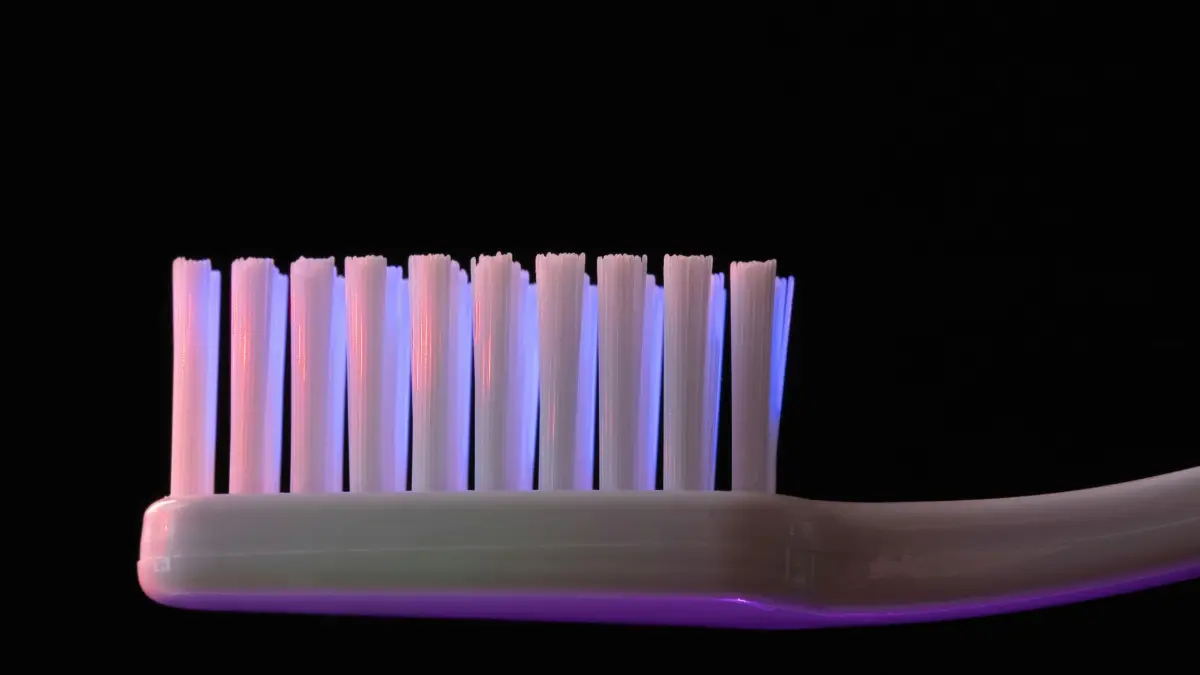
We wake up every morning, pick up our toothbrushes, and brush our teeth. This is a normal thing for us. But have you ever thought what people did before toothbrushes? And the world’s first “modern” toothbrush wasn’t invented in a lab, but in a prison?
Before the modern toothbrush, people used different methods to clean their teeth—from chewing tree trunks to powders made from strange things.
Who Invented the Toothbrush?
Cleaning Teeth in the Ancient World
People have been caring for their teeth for thousands of years. Oral hygiene didn’t begin with today’s modern toothbrushes. Long before today’s brushes, ancient people had found their own ways to clean their teeth. The oldest evidence of teeth cleaning tools comes from ancient Egypt and Babylon, dating back approximately 3500 to 3000 BC.
Ancient Egyptians used “chew sticks.” These were small tree twigs with soft, fibrous edges, much like small brushes. They would rub these sticks against their teeth to clean out food and dirt. It was a simple but foolproof idea. Because the Egyptians kept their daily necessities in their tombs, these tools survived and show us how they cleaned their teeth.
The Babylonians and ancient Mesopotamians also used similar methods. People in many parts of Africa, Asia, and the Middle East have used these natural tools for thousands of years. A famous example is the “miswak,” a stick from the Salvadora persica tree. Many people still use it today. Modern studies show that it has natural antibacterial properties, making it a healthy way to clean teeth.
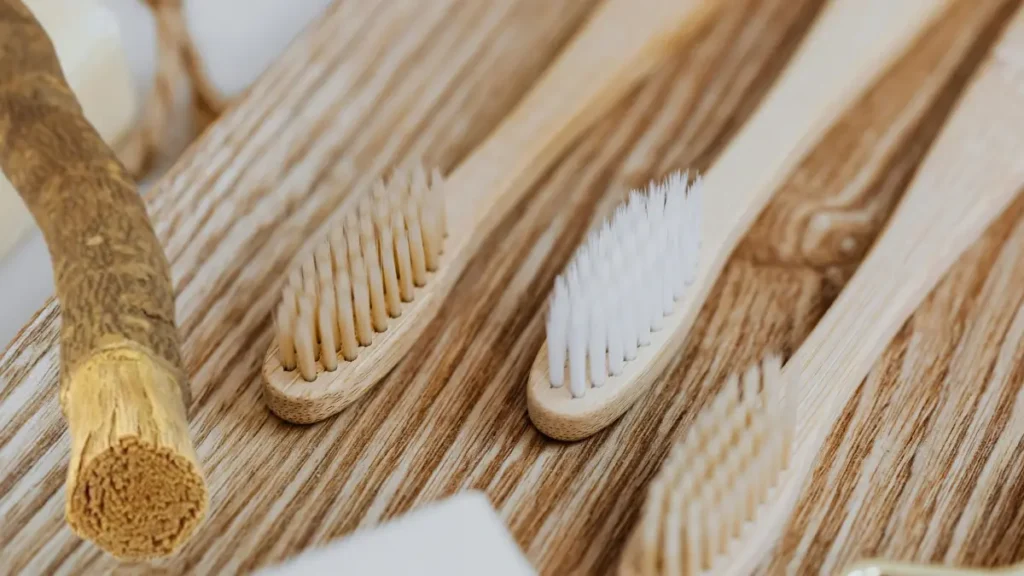
Around 1600 BC, people in China also began using “chewing sticks” made from branches of fragrant trees. They used them to clean their teeth and freshen their breath. This means that people cared about fresh breath long ago!
In ancient Greece and Rome, people used different methods. The Romans cleaned their teeth with soft brushes, while the Greeks rubbed them with a rough cloth. Both also used ancient “tooth powders,” which suggests that toothpaste has a very ancient origin.
The Chinese Invention: The First Bristle Toothbrush
A big change happened when people moved from simple chew sticks to something closer to the toothbrush we know today. This happened in China during the Tang Dynasty, around 619 to 907 AD, though some historians say the bristle toothbrush appeared later, around 1498. Either way, the Chinese were the first to attach real bristles to a solid handle.
They made the bristles from stiff hairs taken from pig necks, especially pigs from cold places because their hair was stronger. They attached these bristles to handles made of bone or bamboo. For the first time, people had something that looked much like a modern toothbrush. It was a major invention.
This idea soon spread beyond China. European travelers saw these brushes and brought the idea back to Europe. Once there, people changed the design. Many Europeans thought pig bristles felt too hard on the teeth and gums, so they started using softer horsehair instead. Some even used feathers.
These versions were softer, but they did not clean as well. They also had a problem — animal hair could hold moisture and bacteria, which made those early brushes less hygienic than modern toothbrushes. Still, they were an important step toward the toothbrush we use today.
Who Invented the First Toothbrush?
William Addis and the Modern Toothbrush
Most amazing part of toothbrush history belongs to William Addis, and the story started in a prison. Around 1770, Addis was sent to Newgate Prison after involvement in a riot. Sitting in his cell, he disliked the way prisoners cleaned their teeth, which was by rubbing them with a cloth covered in soot and salt. He believed there had to be a better way.
One day, he watched a broom sweeping the floor and got an idea. If bristles on a handle could clean a floor, why not clean teeth? Using what he had, Addis saved a small bone from a meal and made tiny holes in it. Then he pushed boar bristles through the holes and tied them in place with wire. He had created a simple but working toothbrush — much better than a rag and ash.
When Addis left prison, he did not forget his invention. He improved the design and started making and selling toothbrushes. He became the first person to produce toothbrushes on a large scale. His business grew, and he became a wealthy man. His company later became Wisdom Toothbrushes, which still makes oral care products today. His design was so important that it later received formal patent recognition in 1896, even though Addis had already passed away.
The toothbrush kept improving. In 1844, inventors created the first three-row bristle brush, which made cleaning easier and more effective. Then in 1857, H. N. Wadsworth filed the first toothbrush patent in the United States. After that, toothbrush production increased, although during most of the 1800s, many people still saw toothbrushes as luxury items rather than everyday necessities.
From Animal Hair to Nylon: A Big Change in Toothbrush History
For more than a century after William Addis made the modern toothbrush popular, one major problem stayed the same. The bristles were still made from animal hair, usually pig or boar hair. These brushes worked, but they had many issues. They were expensive and did not last very long. They also held moisture after use, which allowed bacteria to grow. Because of this, they were not very hygienic.
In 1938, everything changed when DuPont introduced nylon to the world. This new material quickly replaced animal hair in toothbrushes. DuPont launched a product called Doctor West’s Miracle Toothbrush, which used nylon bristles and a plastic handle instead of bone.
This was a major improvement. The new toothbrush was cheaper to make and much more hygienic. It also lasted longer and had a more consistent shape and texture. Soon, animal-hair toothbrushes became outdated.
By the 1950s, manufacturers improved nylon bristles and made them softer. People preferred these softer brushes because they felt better on the gums. They also helped protect tooth enamel. Later, the American Dental Association recommended soft-bristle toothbrushes as the best option for oral health, and this advice is still followed today.
The Electric Toothbrush Revolution
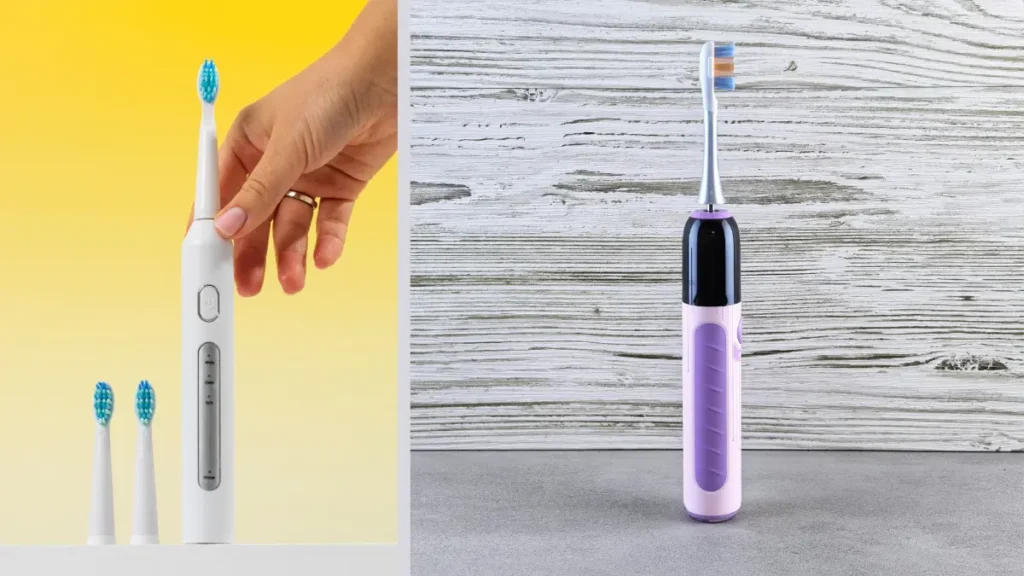
The electric toothbrush first appeared in 1939, just one year after nylon bristles changed toothbrush design. However, it did not become popular right away. Its development was slow, and early versions were not widely used.
The first electric toothbrush sold commercially was the Broxodent, developed in Switzerland in 1954 by Broxodent. It reached the United States in 1960 and became more popular there. At first, doctors mainly recommended it for people who had trouble using a manual toothbrush, such as patients with limited hand movement.
In 1977, Johnson & Johnson introduced the Reach toothbrush. It was an important redesign of the manual toothbrush. It had an angled head and softer bristles, which helped people clean hard-to-reach areas at the back of the mouth more easily. This was a simple but important improvement in toothbrush design.
By 1992, the U.S. Food and Drug Administration approved ultrasonic electric toothbrushes for home use. These brushes use high-speed vibrations instead of only rotating movements to remove plaque more effectively.
Today, modern electric toothbrushes come with many advanced features. They include pressure sensors, timers, multiple cleaning modes, and even smartphone apps. But the basic idea has not changed. It still goes back to a simple concept first imagined by William Addis in a prison cell — bristles on a handle, moving against teeth to clean them.
The Role of World War II in Spreading Brushing Habits
Before the mid-20th century, brushing teeth was not a daily habit, even in countries where toothbrushes were available. In places like the United States, many people brushed only occasionally or not at all. Oral hygiene was still not a strong routine in everyday life.
During World War II, the United States military made tooth brushing a compulsory part of daily hygiene for soldiers. The army understood that healthy teeth were important for a soldier’s overall health and ability to fight. Because of this, soldiers were given toothbrushes and told to brush twice a day.
When millions of soldiers returned home after the war in the mid-1940s, they brought this habit with them. This is one of the main reasons daily brushing became normal in American households. Military discipline played a big role in turning brushing into a worldwide routine.
Choosing the Right Toothbrush Today
Today, there are many types of toothbrushes available. Manual toothbrushes come in different shapes, sizes, and bristle strengths. Some have straight handles, while others are angled or curved for better grip. Electric toothbrushes range from simple battery models to advanced rechargeable ones with multiple settings.
The American Dental Association recommends soft-bristle toothbrushes for most people. Hard bristles can damage enamel and irritate gums over time. A smaller brush head is often better because it can reach the back areas of the mouth more easily. However, the best toothbrush is the one that feels comfortable and is used regularly.
Dentists recommend brushing for two minutes, twice a day. The brush should be held at a 45-degree angle to the gum line. Small circular movements work better than harsh scrubbing. It is also important to clean all surfaces of the teeth, including the inside and chewing areas, and gently brush the tongue to reduce bacteria.
Toothbrushes should be replaced every three months, or sooner if the bristles look worn or frayed. One important tip is not to rinse your mouth with water immediately after brushing. This helps keep fluoride on the teeth longer and improves protection.
Brushing alone is not enough for full oral health. Flossing or using interdental brushes helps clean spaces between teeth that a toothbrush cannot reach. Regular dental check-ups, at least twice a year, are also very important for healthy teeth and gums.